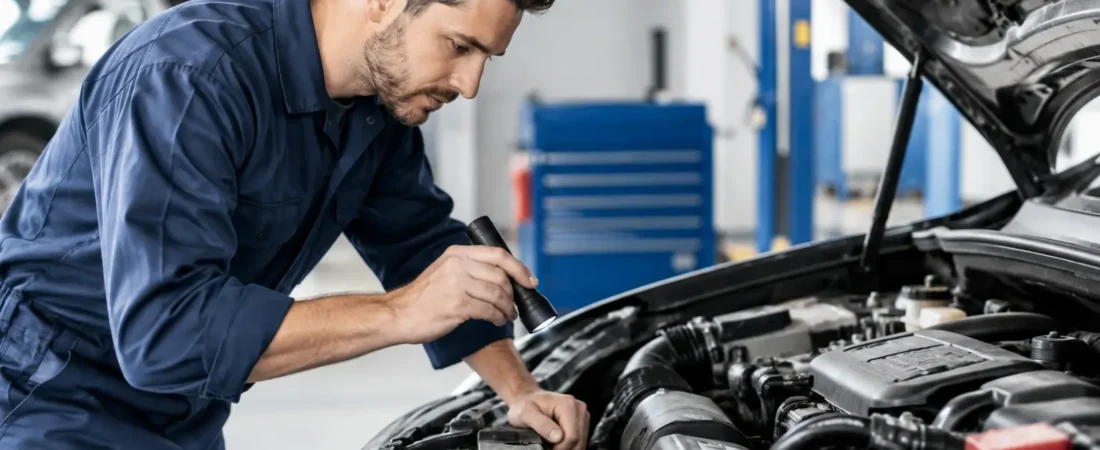
A failed WOF can be frustrating, particularly when you rely on your car for school runs, commuting across Tauranga or weekends around the Bay. Most WOF failure reasons are not unexpected major faults. They are often everyday wear-and-tear items that have gradually become less safe or no longer meet roadworthiness requirements.
The useful part of a WOF inspection is that it identifies these issues before they create a bigger problem. Some repairs are straightforward, while others need closer diagnosis to make sure the right component is repaired first. Knowing what commonly causes a failure can help you book repairs promptly and return to the road with greater peace of mind.
What a WOF inspection is designed to check
A Warrant of Fitness is a safety inspection, not a full mechanical service. The inspector checks whether key safety-related parts of your vehicle are in acceptable condition at the time of inspection. This includes items such as tyres, brakes, steering, suspension, lights, windows, wipers, seat belts, body condition and exhaust-related emissions or noise concerns.
A car can pass a WOF yet still be due for an oil change, have a developing engine issue or need routine maintenance. Equally, a well-serviced vehicle can fail on a simple item such as a blown bulb or worn wiper blade. Keeping up with both servicing and WOF requirements gives you the best chance of dependable day-to-day motoring.
The most common WOF failure reasons
Tyres with low tread, damage or uneven wear
Tyres are among the most common reasons for a WOF fail because they are constantly exposed to heat, rough road surfaces, kerbs and changing weather. Tread depth matters for wet-weather grip, but inspectors also look for cracks, bulges, cuts, exposed cords and damage to the sidewall.
Uneven wear is worth taking seriously. It may mean the tyre itself is nearing the end of its life, but it can also point to incorrect wheel alignment, worn suspension parts or a steering issue. Replacing tyres without checking the cause can mean the new set wears prematurely too. A workshop can assess the pattern of wear and advise whether alignment or other repairs should be considered.
Brake wear and brake system faults
Your brakes must work effectively and evenly. A WOF inspection may identify worn brake pads, discs that need attention, brake fluid leaks, damaged hoses or a handbrake that does not hold as it should.
Drivers do not always notice brake wear straight away. A squeal, grinding sound, a soft brake pedal, vibration when braking or a vehicle pulling to one side all deserve prompt attention. Leaving brake repairs can turn a relatively simple pad replacement into a more extensive repair involving discs or other components.
Faulty lights, lenses and electrical items
A blown headlight globe can be easy to miss, especially if you do not regularly check your lights. Yet headlights, brake lights, tail-lights, indicators, number plate lights and reverse lights all play a direct role in helping you see and be seen.
The fault is not always just a globe. Water inside a lamp assembly, a damaged lens, corrosion in a connector or an electrical wiring fault may be the underlying cause. If a replacement globe fails again soon after fitting, it is sensible to have the electrical system checked rather than continuing to replace globes.
Worn suspension and steering components
Suspension and steering faults can affect vehicle control, tyre life and stopping stability. Worn shock absorbers, bushes, ball joints and other steering or suspension components may cause a WOF failure when they have excessive movement, leakage or deterioration.
On the road, warning signs can include clunking over bumps, a steering wheel that feels loose, excessive bouncing after a speed hump or the vehicle wandering on a straight road. These symptoms can develop gradually, which is why many drivers only become aware of them at inspection time. Early assessment can help protect tyres and make the repair more manageable.
Windscreen damage and poor visibility
Your windscreen needs to provide a clear, safe view of the road. Chips or cracks can become a WOF issue depending on their size and location, particularly when they sit in the driver’s primary viewing area. Damaged or ineffective wiper blades can also lead to a failure if they cannot clear the screen properly.
A small stone chip is often easier to deal with before it spreads across the glass. Replace split, streaky or hardened wiper blades when they stop clearing rain effectively. In Tauranga’s bright sun and sudden showers, clear vision is not a minor detail.
Seat belts, doors and body corrosion
Seat belts must latch, retract and remain in good condition. Frayed webbing, damaged buckles and belts that do not retract correctly can all need repair. Doors also need to open and close securely, while bonnet latches must hold firmly.
Rust is another area that can be more serious than it first appears. Surface corrosion may be mostly cosmetic, but corrosion in structural areas can weaken the vehicle and lead to a WOF failure. This is particularly relevant for older cars, vehicles stored near the coast and those that have spent years exposed to moisture. A professional inspection can distinguish between a surface issue and corrosion that needs structural repair.
Exhaust problems, excess noise or leaks
A noisy exhaust is not always just an annoyance. Holes, loose sections, failing mounts and leaks can lead to a WOF failure, especially where they create excess noise or allow fumes to escape where they should not.
You may notice a louder note, rattling underneath the vehicle, a smell of exhaust fumes or reduced performance. Exhaust faults vary widely in scope. Sometimes a clamp or mounting is all that is needed; in other cases, a damaged section requires replacement. Accurate diagnosis avoids replacing more of the system than necessary.
Why WOF failures should not be treated as a checklist only
A WOF failure notice tells you what did not meet the required standard, but it does not always explain why the fault developed. That matters most with tyres, brakes, suspension and electrical issues, where one worn or damaged part can affect another.
For example, worn suspension can contribute to uneven tyre wear. A recurring light fault may be caused by a poor connection rather than the globe. A brake issue can involve more than the component that first made noise. Asking for the cause, the repair options and any related work that should be monitored helps you make an informed decision.
There can be sensible trade-offs. If a vehicle is otherwise in good condition and you intend to keep it, addressing associated wear while the relevant area is already being repaired may save labour later. If you are managing a tight budget, a workshop can identify what is required for safety and compliance now, and what should be planned for soon. Clear advice is more useful than pressure.
Reduce the chance of a WOF failure before your booking
A quick check at home can catch a few simple problems. Walk around the vehicle with the lights on, including indicators and brake lights if someone can help. Check that wipers clear the screen, tyres look properly inflated and undamaged, and the windscreen is free from obvious cracks in the driver’s line of sight.
Listen for new noises while driving and pay attention to changes in braking, steering or handling. Do not ignore a warning light on the dashboard just because the vehicle seems to be running normally. Some faults do not immediately affect drivability, but they can still signal a problem that needs assessment.
Regular servicing is the more reliable long-term approach. It gives a technician the opportunity to spot brake wear, tyre wear, leaks and worn components before your next WOF is due. For families, commuters and business vehicles, that can reduce disruption as well as help keep repair costs predictable.
What to do after a failed WOF
Read the failure notice carefully and arrange repairs with a workshop that can explain the work in plain language. Keep the notice with you, as it identifies the items requiring attention. If you are unsure whether a listed issue is urgent, ask directly how it affects safety and whether the vehicle should be driven before repairs are completed.
At Pit Stop Tauranga, the focus is on identifying the fault accurately, completing quality workmanship and helping you understand the next step. Whether the issue is a straightforward light replacement or a more involved brake, suspension or exhaust repair, getting it sorted early helps protect your vehicle, your passengers and everyone sharing the road.
A WOF failure is best viewed as an early warning, not a dead end. Deal with the issue while it is clear and contained, and your next trip can start with the confidence that your car is ready for it.